The clinical choices
Different causes of hair loss need different management. Ask whether your pattern is stable enough for transplantation and what non-surgical care may still be needed.
Density, hair characteristics and donor-area limits influence coverage. A large graft count is not a substitute for a sustainable donor plan.
Discuss a hairline that fits your facial proportions and possible future loss. Extraction method, scarring and surgeon involvement also matter.
Is this procedure right for you?
A clinician should first establish the type of hair loss. Transplantation may be appropriate for permanent pattern hair loss but is not suitable for every cause of thinning or patchy loss. Donor density, hair characteristics, scalp health and future progression affect the plan. Bring a history of hair loss, treatments and any scalp symptoms rather than requesting a graft count alone.
A transplant cannot provide unlimited density across every area. Native hair can continue to thin, which may change how a transplanted hairline looks later. A low hairline consumes donor resources that may be needed elsewhere. Neither FUE nor strip surgery is scar-free, and an advertised graft count does not by itself describe the likely visual coverage.
Risks and alternatives
Bleeding, infection, anaesthetic reactions, noticeable scars and failure of some transplanted hair to grow are possible. Donor-site appearance and uneven results should be discussed as well as the frontal hairline. Ask who performs each stage, how donor harvesting is limited and how disappointing growth would be evaluated before another operation is proposed.
A diagnosis may lead to discussion of medical management, observation or cosmetic camouflage before transplantation. These choices depend on the cause of loss and personal priorities. A surgical plan may also favour limited coverage or a more conservative hairline to preserve donor resources rather than attempting the largest possible first session.
Before treatment
Bring photographs showing progression and details of previous treatments. Ask for a donor assessment, a proposed recipient-area map and an explanation of grafts versus individual hairs in the quotation. Confirm who designs the hairline and performs harvesting and placement. Obtain clear instructions for medicines, scalp preparation, transport and early postoperative checks.
Questions patients ask
What does hair transplantation involve?
Follicular unit extraction removes individual follicular units, while strip harvesting removes a strip of hair-bearing scalp that is divided into grafts. Both redistribute a finite donor supply and leave scars of different patterns. The design must account for hair direction, the region being covered and how surrounding native hair may change over time.
What affects the treatment choice?
A diagnosis may lead to discussion of medical management, observation or cosmetic camouflage before transplantation. These choices depend on the cause of loss and personal priorities. A surgical plan may also favour limited coverage or a more conservative hairline to preserve donor resources rather than attempting the largest possible first session.
How should I plan recovery?
The scalp and grafts need protection during early healing, with washing and activity instructions supplied by the clinic. Early shedding does not necessarily represent the eventual growth result. Growth is assessed over a much longer period than wound healing. Arrange staged follow-up photographs and clinical review, and obtain instructions for severe pain or unexpected symptoms after leaving Korea.
Clinics to explore
These clinics list relevant treatments in their published service menus. Discuss the exact procedure and your suitability directly.
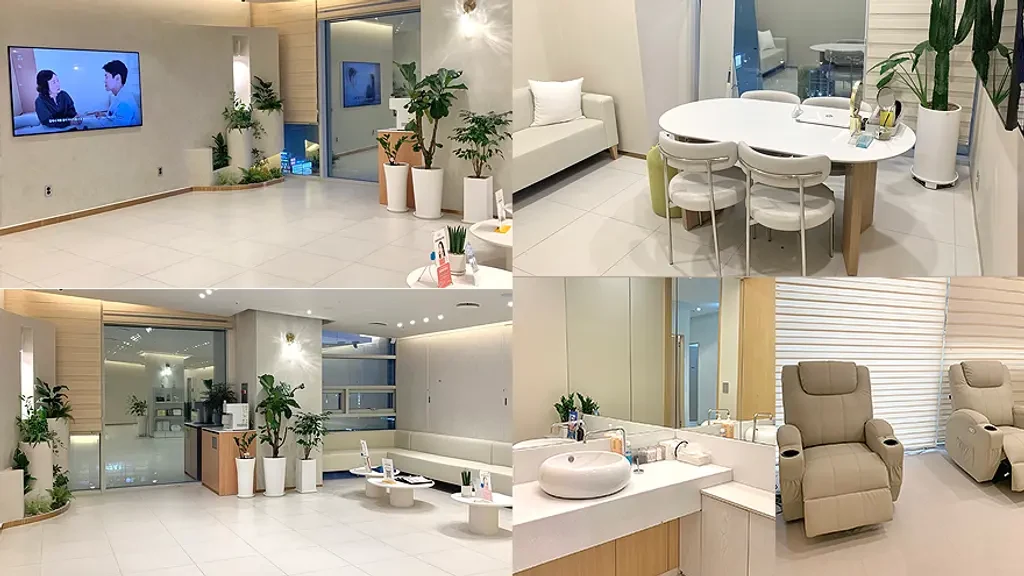
Restory Plastic Surgery Clinic
Restory Plastic Surgery Clinic organizes its published care around Facial Lift Surgery, Non-Surgical Lifting, Eye Surgery, Hair Transplant.
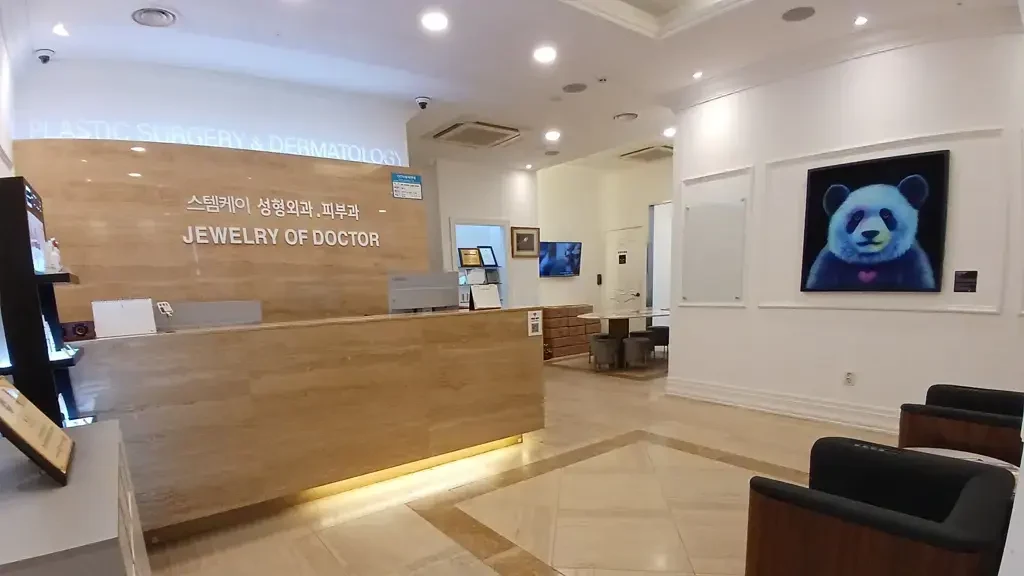
Stemk Plastic Surgery & Dermatology
Stemk Plastic Surgery & Dermatology is a plastic surgery provider in Seoul. Stemk combines facial rejuvenation surgery and fat grafting with eye and nose procedures, hair transplantation, body contouring and energy-based skin treatment.
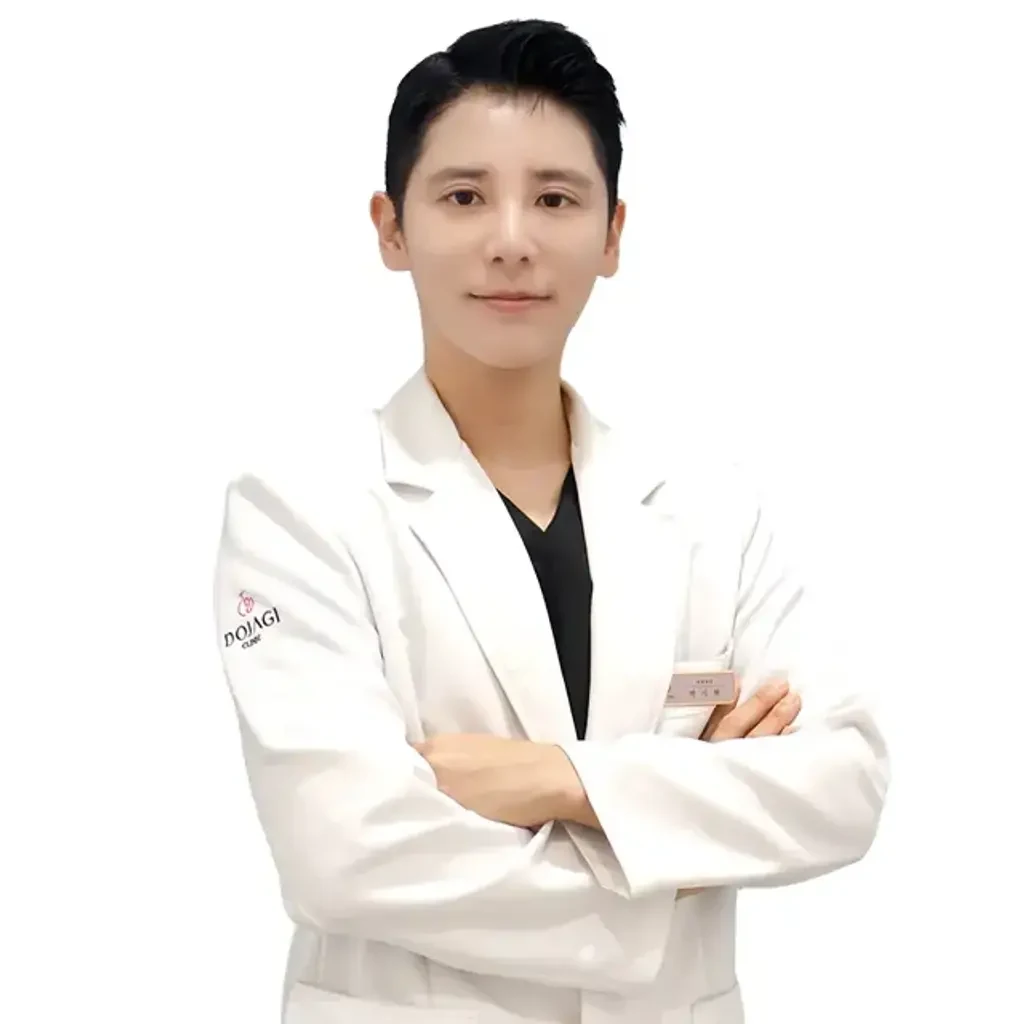
Dojagi Clinic
Dojagi Clinic is a plastic surgery provider in Seocho, Seoul. Dojagi lists eyelid and nasal surgery, facial rejuvenation, dermatology, weight-management services and hair transplantation.
What affects the quotation
- FUE versus strip harvesting
- Number of grafts and recipient areas
- Shaven or other technique-specific requirements
- Number of sessions and follow-up
- Any separate ongoing treatment for native hair
Recovery and your stay
The scalp and grafts need protection during early healing, with washing and activity instructions supplied by the clinic. Early shedding does not necessarily represent the eventual growth result. Growth is assessed over a much longer period than wound healing. Arrange staged follow-up photographs and clinical review, and obtain instructions for severe pain or unexpected symptoms after leaving Korea.
Ask at your consultation
- What is the diagnosis and likely future pattern of my hair loss?
- How much donor reserve should be preserved?
- Does the quote count grafts or individual hairs?
- Who performs harvesting and recipient-site creation?
- When and how will growth be reviewed?
Read in more detail
Hair transplantation: Risks & Suitability
Hair transplantation moves existing follicles from a donor area to areas of thinning or baldness. It does not create an unlimited supply of hair or stop all future hair loss. Diagnosis, donor reserves and a long-term hairline plan matter more than choosing a clinic by the largest advertised graft number.
Read guide →Hair transplantation: Consultation Questions
Bring photographs showing progression and details of previous treatments. Ask for a donor assessment, a proposed recipient-area map and an explanation of grafts versus individual hairs in the quotation. Confirm who designs the hairline and performs harvesting and placement. Obtain clear instructions for medicines, scalp preparation, transport and early postoperative checks.
Read guide →Hair transplantation: Techniques & Alternatives
A diagnosis may lead to discussion of medical management, observation or cosmetic camouflage before transplantation. These choices depend on the cause of loss and personal priorities. A surgical plan may also favour limited coverage or a more conservative hairline to preserve donor resources rather than attempting the largest possible first session.
Read guide →Hair transplantation: Recovery & Aftercare
The scalp and grafts need protection during early healing, with washing and activity instructions supplied by the clinic. Early shedding does not necessarily represent the eventual growth result. Growth is assessed over a much longer period than wound healing. Arrange staged follow-up photographs and clinical review, and obtain instructions for severe pain or unexpected symptoms after leaving Korea.
Read guide →Hair transplantation: Cost in Korea: Quote Checklist
The cost of hair transplantation in Korea depends on the technique, treatment scope and care included. Request an itemized quote for the proposed plan, including follow-up and any additional charges.
Read guide →