The clinical choices
Separate a breathing complaint, an implant concern and an unwanted shape. Each may require a different assessment and may not be solved by the same operation.
Old operation notes, implant details and photographs can clarify what was changed before. Ask the new surgeon which information would alter the plan.
A surgeon may recommend waiting for tissue changes to settle. A consultation should explain what is correctable, what is uncertain and whether another operation is appropriate.
Is this procedure right for you?
An examination should assess nasal breathing, skin and soft tissues, existing support and the timing of previous surgery. A person unhappy with an early appearance does not automatically need another operation. Ask whether further settling or treatment of a specific problem should precede a decision about surgery.
Previous operations can reduce the available septal cartilage and change tissue behavior. Perfect symmetry or complete reversal of an earlier result may not be achievable. A consultation should identify features that are unlikely to improve and explain whether the plan prioritizes airway support, contour or both.
Risks and alternatives
Rhinoplasty risks still apply, including breathing difficulties, infection, poor healing and further revision. Existing scar tissue and prior changes can make reconstruction more complex. If cartilage is taken from another area, that donor site adds its own scar, discomfort and potential complications to the decision.
Observation may be appropriate while tissues settle. A localized issue may require a different scope of treatment from full reconstruction. Avoid treating filler camouflage as interchangeable with revision surgery: it does not rebuild missing support and requires its own safety assessment.
Before treatment
Gather old operative notes, implant information, dates, photographs and a clear account of symptoms. Include treatments performed after the original operation. Ask the new surgeon to explain which uncertainties remain until examination and how a change in operative findings would affect consent and cost.
Questions patients ask
What does revision rhinoplasty involve?
A revision may involve a localized adjustment or reconstruction of weakened support. The surgeon needs to distinguish persistent swelling, scar changes, implant-related concerns and structural problems. Previous operative records help establish what was removed or inserted. The word revision does not describe one standard procedure, and a quote is meaningful only when linked to the proposed work.
What affects the treatment choice?
Observation may be appropriate while tissues settle. A localized issue may require a different scope of treatment from full reconstruction. Avoid treating filler camouflage as interchangeable with revision surgery: it does not rebuild missing support and requires its own safety assessment.
How should I plan recovery?
Recovery includes the nose and, when applicable, a cartilage donor site. Swelling, scars and contour can evolve beyond the immediate postoperative period. Ask how follow-up will distinguish expected healing from a problem, what changes require prompt contact and how assessments will continue after leaving Korea.
Clinics to explore
These clinics list relevant treatments in their published service menus. Discuss the exact procedure and your suitability directly.

DL Plastic Surgery
DL Plastic Surgery is a plastic surgery provider in Seoul. DL combines facial bone contouring with rhinoplasty, nasal revision, eyelid surgery and skin treatments, allowing consultation to distinguish structural surgery from softer-tissue approaches.
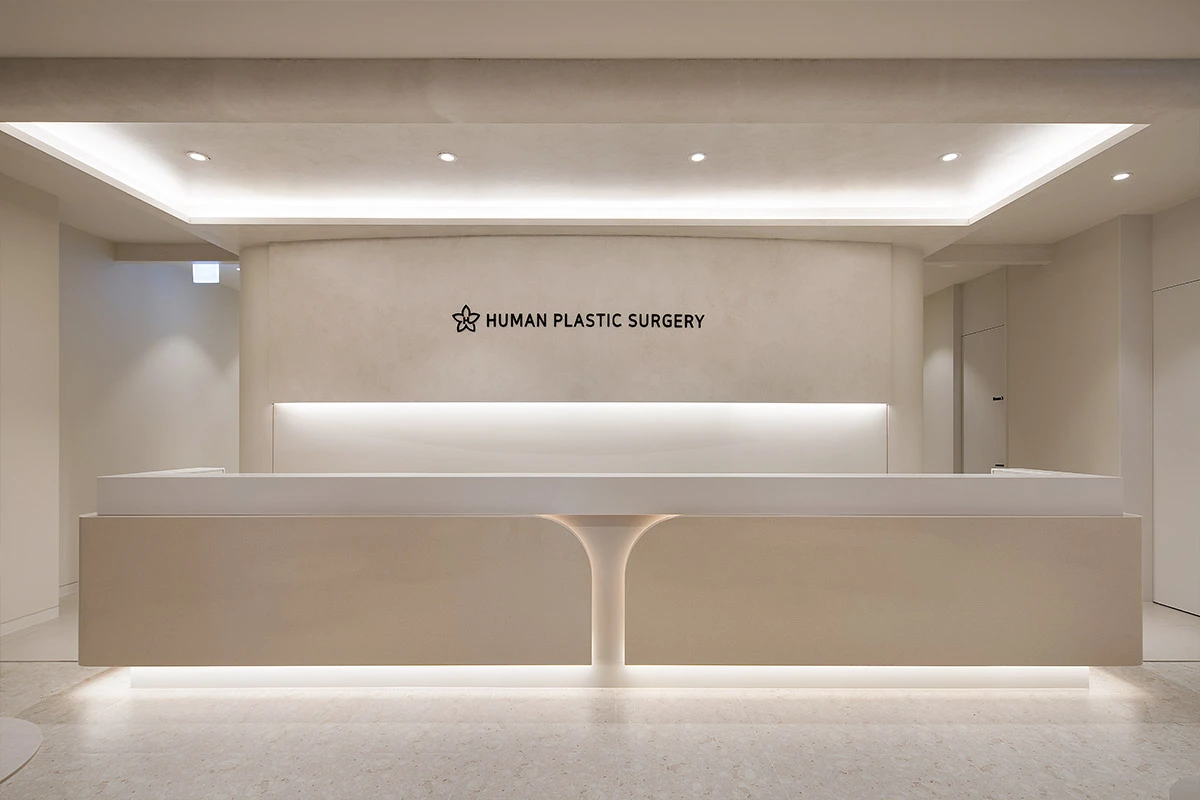
Human Plastic Surgery
Human Plastic Surgery is a plastic surgery provider in Seocho, Seoul. Human concentrates on breast and nose surgery. Its planning information includes 3D CT assessment for the nose and endoscopic visualization for breast operations, with a one-to-one care model led by Dr. Kim Kook Hyun.

Kowon Plastic Surgery
Kowon Plastic Surgery is a plastic surgery provider in South Korea. Kowon gives particular attention to implant-free and cartilage-based rhinoplasty, including revision, short-nose correction and male rhinoplasty. Dr. Kim Hyeongtaek’s profile lists a background leading a rib-cartilage rhinoplasty center.
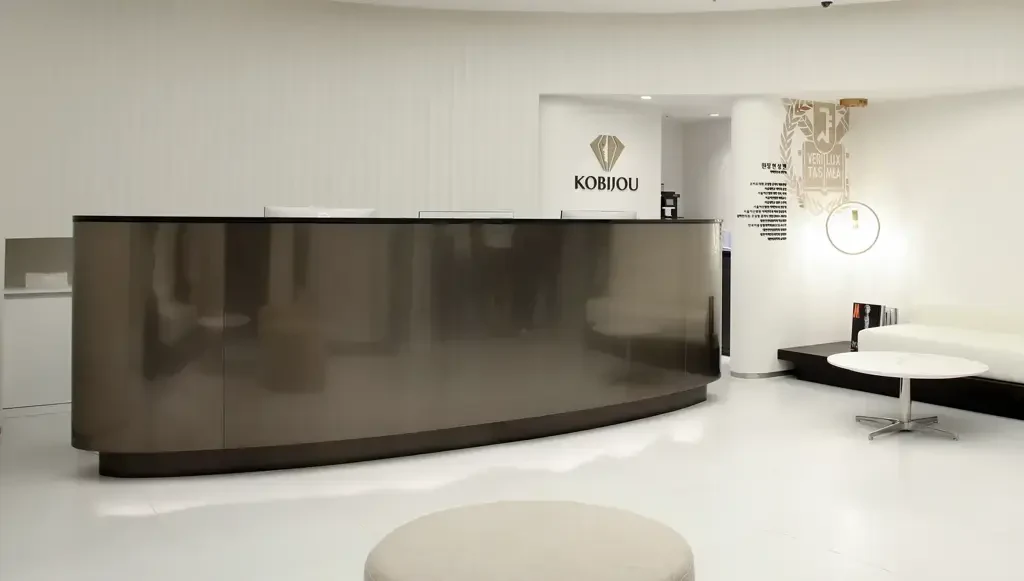
Kobijou Rhinoplasty Clinic
Kobijou Rhinoplasty Clinic is a plastic surgery provider in Seoul. Kobijou treats nasal appearance and breathing as linked consultation topics. Its menu includes revision rhinoplasty, septal deviation, rhinitis and obstruction, while Dr. Sang-Min Hyun’s training includes ENT residency and a rhinology fellowship.

Baroko Plastic Surgery
Baroko Plastic Surgery is a plastic surgery provider in South Korea. Baroko’s menu includes cartilage-particle rhinoplasty, type-specific nose surgery, revisions and functional nasal disorders. This is a nose-centered practice rather than a general face-and-body surgery menu.

GNG Hospital
GNG Hospital is a plastic surgery provider in South Korea. GNG’s nose-centered menu includes obstruction surgery, nasal fracture care, implant-free rhinoplasty and revision surgery, bringing functional and aesthetic questions into the same discussion.
What affects the quotation
- Limited adjustment versus structural reconstruction
- Removal or replacement of existing material
- Ear or rib cartilage harvest when proposed
- Additional follow-up and revision policy
Recovery and your stay
Recovery includes the nose and, when applicable, a cartilage donor site. Swelling, scars and contour can evolve beyond the immediate postoperative period. Ask how follow-up will distinguish expected healing from a problem, what changes require prompt contact and how assessments will continue after leaving Korea.
Ask at your consultation
- What is the cause of the current problem?
- Is more healing time needed before deciding?
- What cartilage remains available?
- What improvement is realistic and what may persist?
Meet the doctors

Dr. Kim Kook Hyun
Rhinoplasty · Revision rhinoplasty · Breast augmentation
View background & clinic →
Dr. Kim Hyeongtaek
Rib cartilage rhinoplasty · Implant-free rhinoplasty · Revision rhinoplasty
View background & clinic →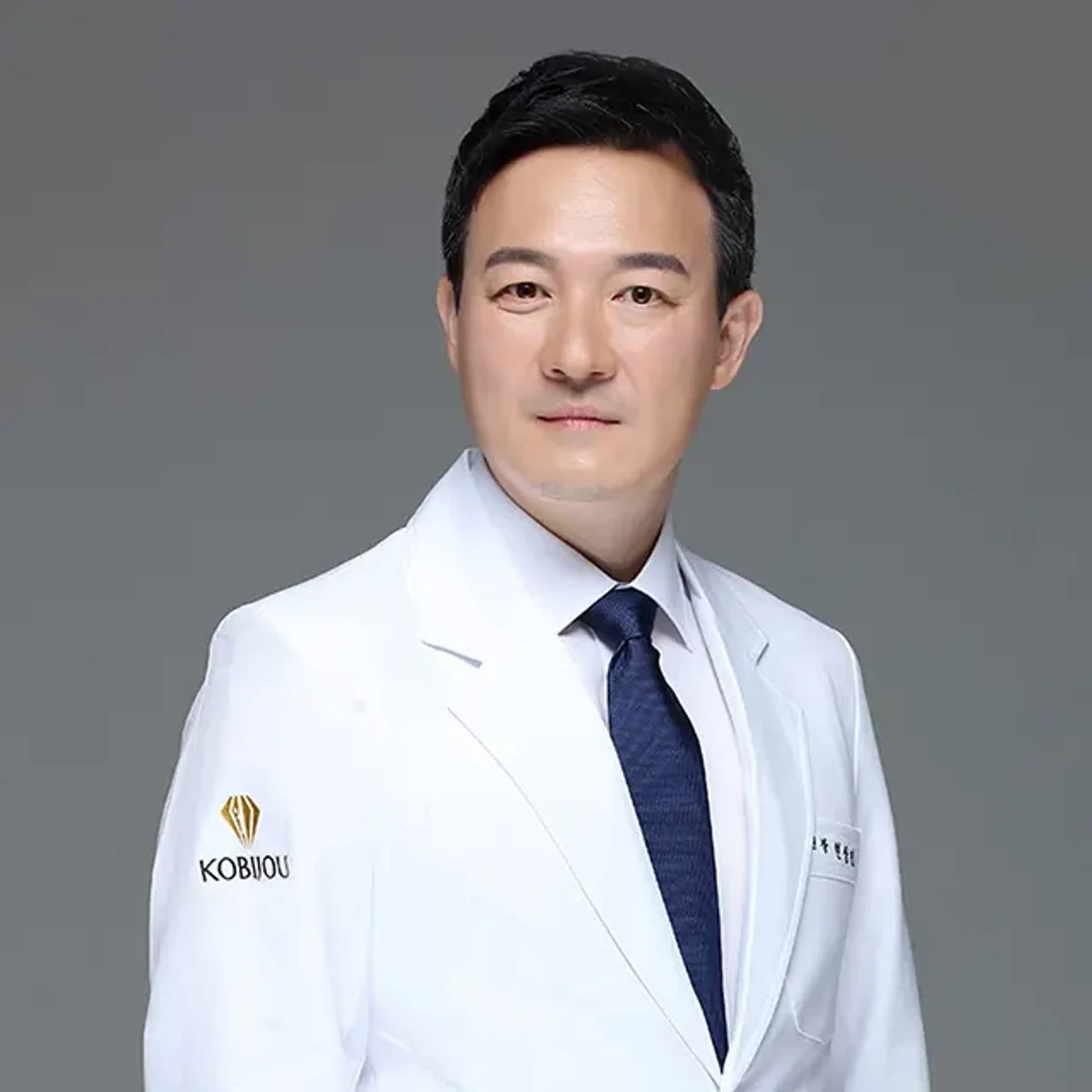
Dr. Sang-Min Hyun
Aesthetic rhinoplasty · Functional nasal surgery · Revision rhinoplasty
View background & clinic →Read in more detail
Revision rhinoplasty: Risks & Suitability
Revision rhinoplasty is another nasal operation after previous surgery, undertaken for appearance, function or both. Scar tissue, altered support and the availability of cartilage make the assessment different from a first operation. The key decision is whether the concern has a surgically addressable cause and whether the expected improvement justifies another recovery and its risks.
Read guide →Revision rhinoplasty: Consultation Questions
Gather old operative notes, implant information, dates, photographs and a clear account of symptoms. Include treatments performed after the original operation. Ask the new surgeon to explain which uncertainties remain until examination and how a change in operative findings would affect consent and cost.
Read guide →Revision rhinoplasty: Techniques & Alternatives
Observation may be appropriate while tissues settle. A localized issue may require a different scope of treatment from full reconstruction. Avoid treating filler camouflage as interchangeable with revision surgery: it does not rebuild missing support and requires its own safety assessment.
Read guide →Revision rhinoplasty: Recovery & Aftercare
Recovery includes the nose and, when applicable, a cartilage donor site. Swelling, scars and contour can evolve beyond the immediate postoperative period. Ask how follow-up will distinguish expected healing from a problem, what changes require prompt contact and how assessments will continue after leaving Korea.
Read guide →Revision rhinoplasty: Cost in Korea: Quote Checklist
The cost of revision rhinoplasty in Korea depends on the technique, treatment scope and care included. Request an itemized quote for the proposed plan, including follow-up and any additional charges.
Read guide →