The clinical choices
Double eyelid surgery and ptosis correction are not interchangeable. Ask which concern is present and which part of the recommendation addresses it.
Suture-based and incisional methods suit different tissue characteristics. Discuss skin thickness, excess skin, fat and the likelihood of a crease changing over time.
Dry-eye symptoms, contact-lens use and previous eye operations belong in the consultation. Appearance should be considered alongside comfortable eye closure.
Is this procedure right for you?
Assessment includes excess skin, fat, baseline asymmetry, crease behavior and eyelid movement. Dry eye, contact-lens use, previous eye operations and difficulty closing the eyes matter. Ask whether an ophthalmic assessment is appropriate when symptoms or a functional eyelid problem are present.
Crease surgery does not automatically correct ptosis, a low brow or all causes of a tired appearance. The choice between incisional and buried-suture methods depends partly on skin and fat. A method described as non-incisional can still lose its crease or require another procedure.
Risks and alternatives
Risks include bleeding, infection, asymmetry, visible scarring, dry eye, difficulty closing the eyes and revision. Eyelid surgery can rarely cause serious visual complications. Ask how the proposed amount of tissue removal will protect closure and what emergency contact arrangements apply if vision changes after surgery.
No surgery is appropriate when the expected change is not worth the trade-off. Brow position or eyelid muscle function may need a separate assessment rather than adding procedures by default. Non-surgical skin treatments address different concerns and cannot be assumed to reproduce a surgically created crease.
Before treatment
Bring previous eye surgery details and a list of eye drops, medications and supplements. Explain any irritation or fluctuating vision before planning surgery. Ask about eye protection, contact lenses, makeup, wound care and whether the chosen method needs suture removal before travel.
Questions patients ask
What does upper eyelids involve?
The consultation should describe the relationship between eyelid skin, fat, crease, lid position and brow. A crease procedure creates attachments that define the fold; an incisional approach can also allow selected tissue removal. Crease height and shape should reflect the person’s anatomy and preferences. A standardized appearance is not a reliable substitute for examining eye closure and eyelid function.
What affects the treatment choice?
No surgery is appropriate when the expected change is not worth the trade-off. Brow position or eyelid muscle function may need a separate assessment rather than adding procedures by default. Non-surgical skin treatments address different concerns and cannot be assumed to reproduce a surgically created crease.
How should I plan recovery?
Swelling can make crease height and symmetry difficult to judge initially. Follow the surgeon’s eye lubrication, cleaning and activity instructions and attend scheduled checks. Ask when contact lenses and cosmetics may resume. New visual changes, severe pain or trouble protecting the eye need prompt professional assessment rather than waiting for a routine appointment.
Clinics to explore
These clinics list relevant treatments in their published service menus. Discuss the exact procedure and your suitability directly.
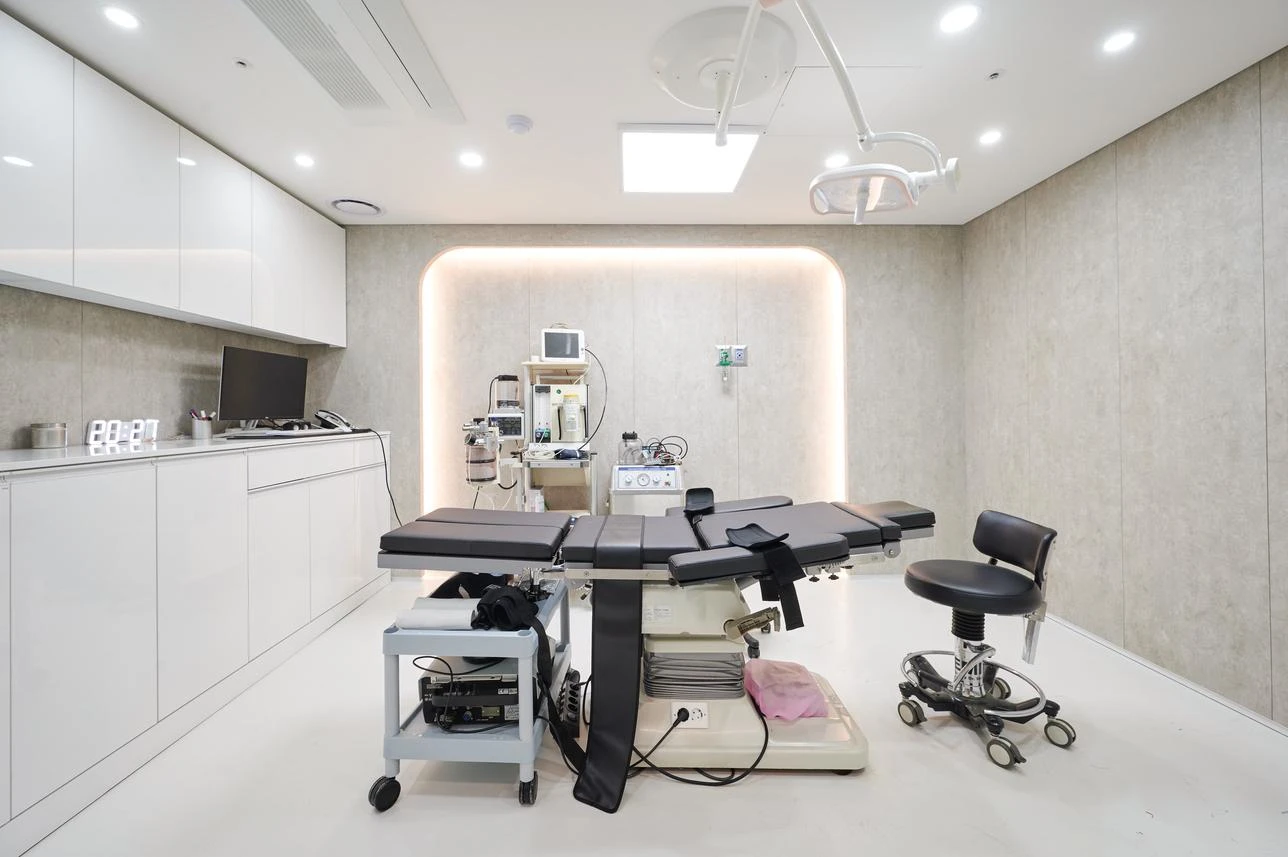
Hugo Plastic Surgery
Hugo Plastic Surgery is a plastic surgery provider in Seoul. Hugo combines facelift, neck and forehead lifting with eyelid surgery, nose surgery and fat transfer. The published doctor profiles describe training at Hanyang University and Korea University.
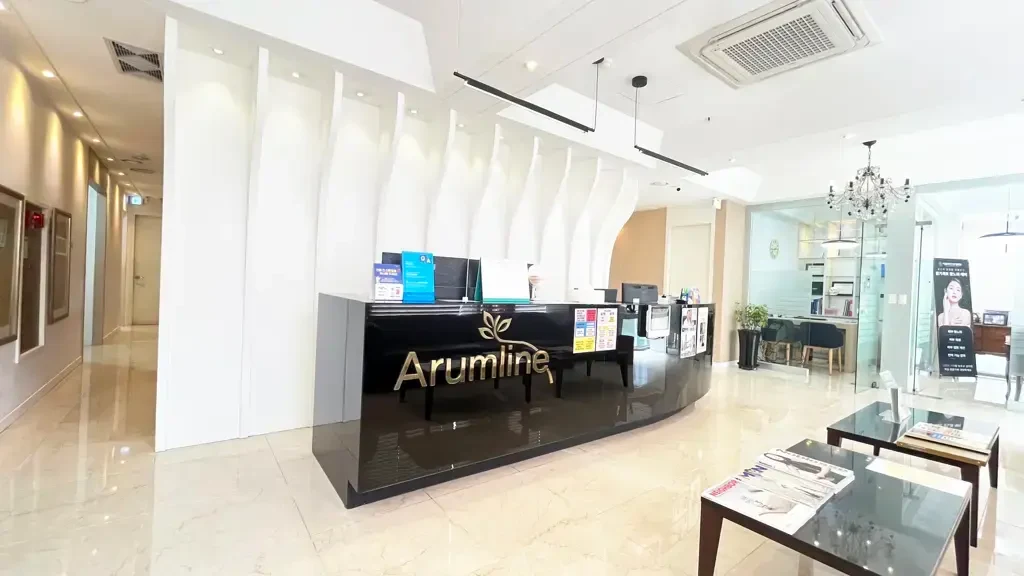
Arumline Plastic Surgery, Skin & Beauty Clinic
Arumline Plastic Surgery, Skin & Beauty Clinic is a plastic surgery provider in Gangnam, Seoul. Arumline’s eye-focused menu distinguishes lateral and lower canthoplasty, reverse canthoplasty, crease surgery, ptosis correction and eye rejuvenation. Its published approach includes non-incisional techniques for selected procedures.

IBON plastic surgery
IBON Plastic Surgery is a clinic in Busanjin-gu, Busan whose published menu focuses on eyelid surgery, including double-eyelid creation, ptosis correction, canthoplasty and under-eye fat repositioning. It also lists forehead lifting and non-surgical aesthetic procedures.
What affects the quotation
- Buried-suture versus incisional technique
- Additional ptosis or brow treatment if separately indicated
- Anesthesia and facility fees
- Eye assessment and follow-up requirements
Recovery and your stay
Swelling can make crease height and symmetry difficult to judge initially. Follow the surgeon’s eye lubrication, cleaning and activity instructions and attend scheduled checks. Ask when contact lenses and cosmetics may resume. New visual changes, severe pain or trouble protecting the eye need prompt professional assessment rather than waiting for a routine appointment.
Ask at your consultation
- Is my concern a crease, excess skin, ptosis or brow position?
- Why does this technique suit my skin and fat?
- How will eye closure and dryness be protected?
- What happens if the crease fades or asymmetry persists?
Meet the doctors

Dr. Seonghyeok Yang
Eyelid surgery · Facial liposuction · Neck liposuction
View background & clinic →
Dr. HyungKyu Kim
Double eyelid surgery · Ptosis surgery · Revision eyelid surgery
View background & clinic →Read in more detail
Upper eyelid surgery: Risks & Suitability
Upper eyelid surgery may remove excess skin, alter an eyelid crease or address another identified eyelid concern. Double eyelid surgery specifically creates or defines a crease. These goals should be separated from correction of a drooping lid margin or a low brow, because each involves different anatomy and may require a different procedure.
Read guide →Upper eyelid surgery: Consultation Questions
Bring previous eye surgery details and a list of eye drops, medications and supplements. Explain any irritation or fluctuating vision before planning surgery. Ask about eye protection, contact lenses, makeup, wound care and whether the chosen method needs suture removal before travel.
Read guide →Upper eyelid surgery: Techniques & Alternatives
No surgery is appropriate when the expected change is not worth the trade-off. Brow position or eyelid muscle function may need a separate assessment rather than adding procedures by default. Non-surgical skin treatments address different concerns and cannot be assumed to reproduce a surgically created crease.
Read guide →Upper eyelid surgery: Recovery & Aftercare
Swelling can make crease height and symmetry difficult to judge initially. Follow the surgeon’s eye lubrication, cleaning and activity instructions and attend scheduled checks. Ask when contact lenses and cosmetics may resume. New visual changes, severe pain or trouble protecting the eye need prompt professional assessment rather than waiting for a routine appointment.
Read guide →Upper eyelid surgery: Cost in Korea: Quote Checklist
The cost of upper eyelid surgery in Korea depends on the technique, treatment scope and care included. Request an itemized quote for the proposed plan, including follow-up and any additional charges.
Read guide →