Start with the treatment goal
Ablative resurfacing removes skin layers, while non-ablative approaches heat targeted tissue without the same surface removal. Fractional treatment creates a pattern of treated and untreated areas and can be used with different technologies. These distinctions affect discomfort, recovery and the potential degree of improvement. A brand or wavelength alone does not explain the full treatment plan.
Ablative resurfacing
Removes skin and can involve more wound care; suitability depends on the concern and risk assessment.
Explore laser skin resurfacing options in Korea
Review the procedure and relevant clinic menus before contacting a care team.
Explore procedure & clinicsNon-ablative resurfacing
Targets tissue without the same degree of surface removal; the course and expected improvement can differ.
Fractional delivery
Describes a pattern of treatment, not a guarantee of mild recovery or a specific device.
Comparing the trade-offs
Laser resurfacing does not erase every scar or replace surgery for substantial tissue descent. A course of treatment may be needed, and improvements can take time to judge. More intensive settings can increase the burden as well as the effect. Compare realistic changes to texture or scars rather than expecting a perfectly uniform complexion.
Which approach fits your circumstances?
The clinician should diagnose the concern and assess skin tone, recent tanning, a history of pigment change, scarring, cold sores and previous skin procedures. Not every mark is a resurfacing problem. Discuss the exact area, whether the skin can tolerate the proposed intensity and whether your stay in Korea permits the necessary wound care and review.
Clinics to explore
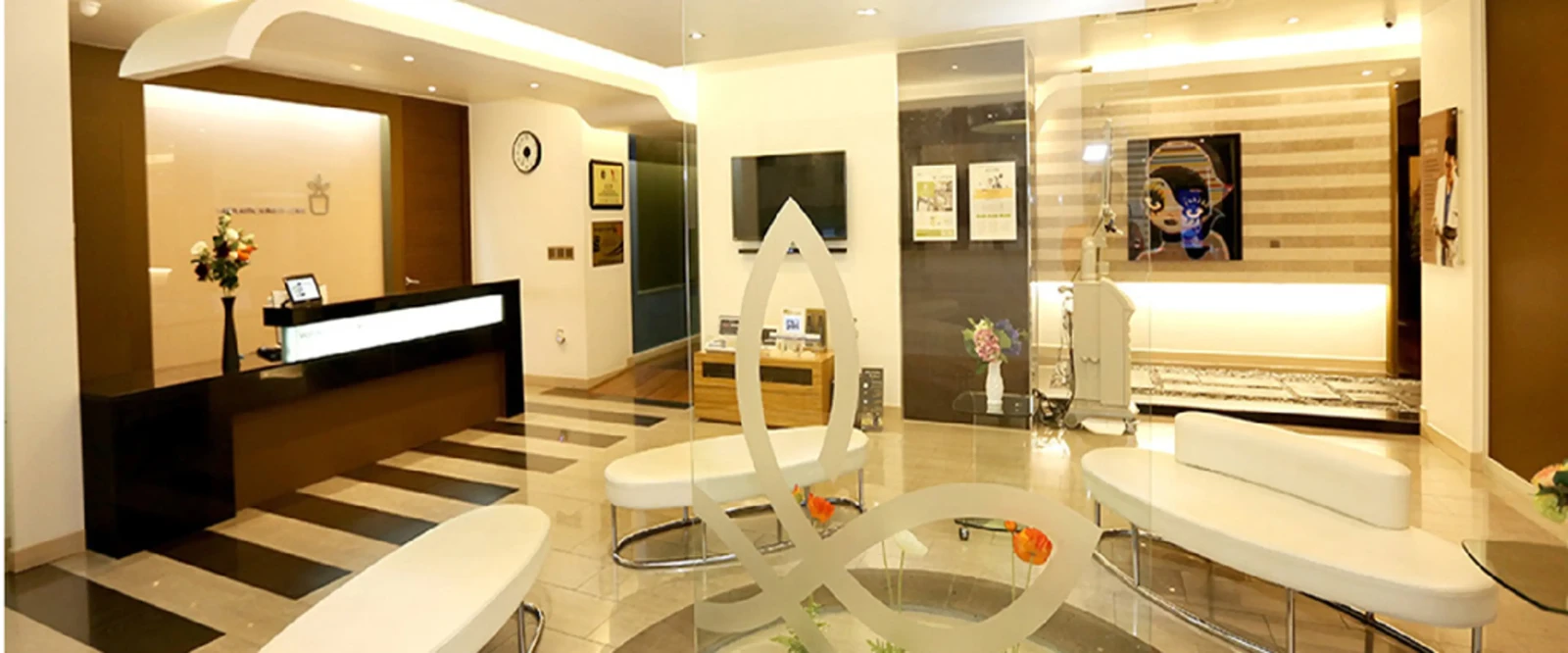
TAE PLASTIC SURGERY CLINIC
TAE Plastic Surgery Clinic is in Haeundae, Busan. Its published services include eyelid and lifting procedures, breast surgery and liposuction, together with laser resurfacing, injectables and scar or tattoo treatment.