The clinical choices
Different devices create different tissue effects. Ask why the chosen approach fits your scar or texture concern and the downtime you can accommodate.
Skin tone, recent sun exposure and a history of pigmentation or scarring affect risk. Discuss how settings and aftercare are selected for you.
A course may need several visits. Ask whether other treatments should be separated and when improvement will be assessed.
Is this procedure right for you?
The clinician should diagnose the concern and assess skin tone, recent tanning, a history of pigment change, scarring, cold sores and previous skin procedures. Not every mark is a resurfacing problem. Discuss the exact area, whether the skin can tolerate the proposed intensity and whether your stay in Korea permits the necessary wound care and review.
Laser resurfacing does not erase every scar or replace surgery for substantial tissue descent. A course of treatment may be needed, and improvements can take time to judge. More intensive settings can increase the burden as well as the effect. Compare realistic changes to texture or scars rather than expecting a perfectly uniform complexion.
Risks and alternatives
Risks include burns, infection, prolonged redness, scarring and darker or lighter pigmentation. Previous cold sores may be relevant to prevention planning. The device and settings must be appropriate for the skin and treatment site. Ask how unexpected pain, blistering or delayed healing will be assessed and who is available for an in-person review.
Depending on the diagnosis, options may include topical care, a peel, conventional microneedling or a targeted scar procedure. Devices marketed for lifting, pigment or hair removal are not automatically substitutes for resurfacing. Compare the tissue target and aftercare of each recommendation before accepting a combination of several machines.
Before treatment
Obtain the device name, ablative or non-ablative mode, treatment area and expected wound-care plan. Describe prior pigment reactions and skin treatments. Follow clinician-directed preparation and discuss whether medication to reduce a known infection risk is needed. Plan accommodation and daily activities around the ability to keep the treated skin protected.
Questions patients ask
What does laser resurfacing involve?
Ablative resurfacing removes skin layers, while non-ablative approaches heat targeted tissue without the same surface removal. Fractional treatment creates a pattern of treated and untreated areas and can be used with different technologies. These distinctions affect discomfort, recovery and the potential degree of improvement. A brand or wavelength alone does not explain the full treatment plan.
What affects the treatment choice?
Depending on the diagnosis, options may include topical care, a peel, conventional microneedling or a targeted scar procedure. Devices marketed for lifting, pigment or hair removal are not automatically substitutes for resurfacing. Compare the tissue target and aftercare of each recommendation before accepting a combination of several machines.
How should I plan recovery?
Recovery depends on how much skin was treated and how deeply. More intensive resurfacing may need wound care and scheduled reviews; lighter treatment can still cause visible redness and sensitivity. Ask when cleansing, makeup, exercise and sun exposure are appropriate. A short appointment does not establish that a long flight or holiday activity is suitable immediately afterward.
Clinics to explore
These clinics list relevant treatments in their published service menus. Discuss the exact procedure and your suitability directly.
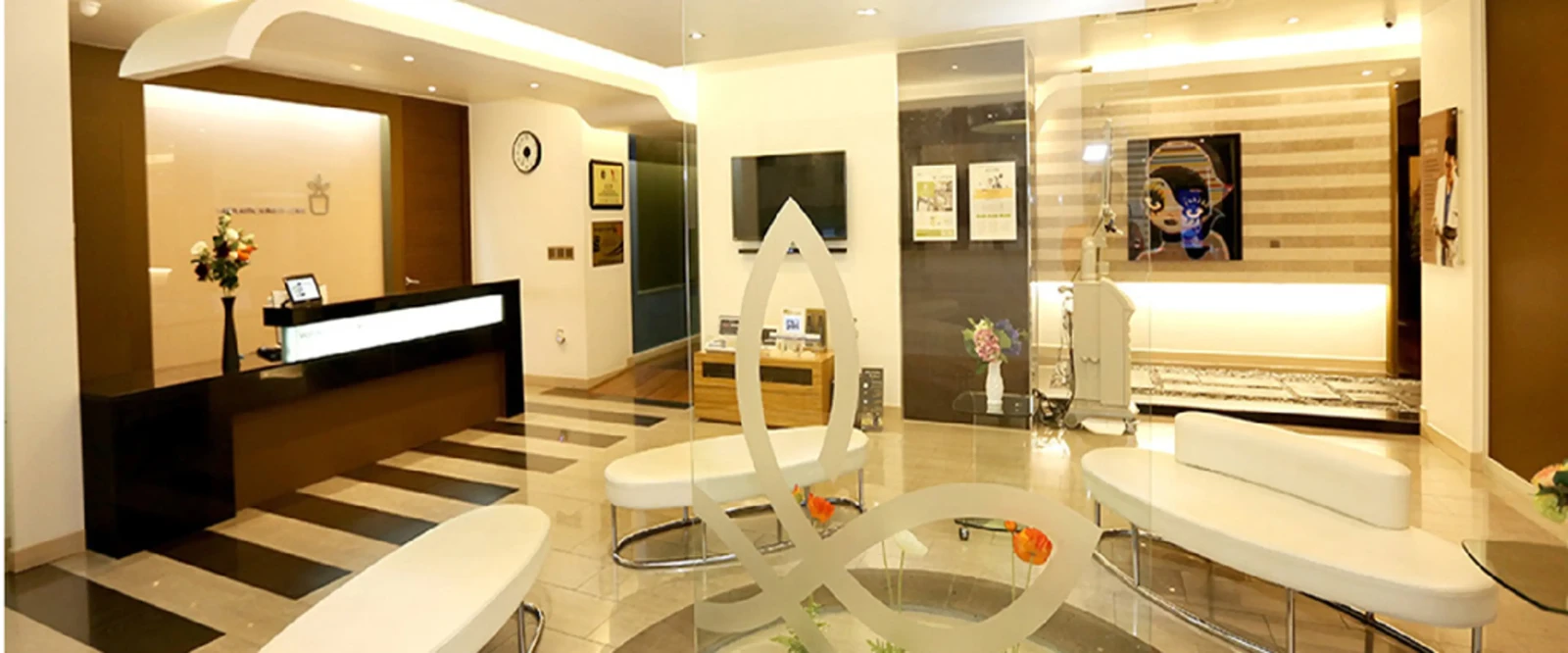
TAE PLASTIC SURGERY CLINIC
TAE Plastic Surgery Clinic is in Haeundae, Busan. Its published services include eyelid and lifting procedures, breast surgery and liposuction, together with laser resurfacing, injectables and scar or tattoo treatment.
What affects the quotation
- Device, treatment mode and area
- Intensity and number of sessions
- Numbing, wound-care products and medical follow-up
- Additional scar-specific procedures quoted separately
Recovery and your stay
Recovery depends on how much skin was treated and how deeply. More intensive resurfacing may need wound care and scheduled reviews; lighter treatment can still cause visible redness and sensitivity. Ask when cleansing, makeup, exercise and sun exposure are appropriate. A short appointment does not establish that a long flight or holiday activity is suitable immediately afterward.
Ask at your consultation
- Is the treatment ablative, non-ablative or fractional?
- Which part of my concern should improve?
- How will settings account for my skin tone and pigment history?
- What follow-up must be completed before departure?
Read in more detail
Laser skin resurfacing: Risks & Suitability
Laser skin resurfacing uses controlled light energy to treat selected scars, wrinkles or texture changes. Ablative, non-ablative and fractional describe different aspects of treatment. A Korea consultation should identify the device, treatment mode, target and aftercare rather than promise one standard laser recovery.
Read guide →Laser skin resurfacing: Consultation Questions
Obtain the device name, ablative or non-ablative mode, treatment area and expected wound-care plan. Describe prior pigment reactions and skin treatments. Follow clinician-directed preparation and discuss whether medication to reduce a known infection risk is needed. Plan accommodation and daily activities around the ability to keep the treated skin protected.
Read guide →Laser skin resurfacing: Techniques & Alternatives
Depending on the diagnosis, options may include topical care, a peel, conventional microneedling or a targeted scar procedure. Devices marketed for lifting, pigment or hair removal are not automatically substitutes for resurfacing. Compare the tissue target and aftercare of each recommendation before accepting a combination of several machines.
Read guide →Laser skin resurfacing: Recovery & Aftercare
Recovery depends on how much skin was treated and how deeply. More intensive resurfacing may need wound care and scheduled reviews; lighter treatment can still cause visible redness and sensitivity. Ask when cleansing, makeup, exercise and sun exposure are appropriate. A short appointment does not establish that a long flight or holiday activity is suitable immediately afterward.
Read guide →Laser skin resurfacing: Cost in Korea: Quote Checklist
The cost of laser skin resurfacing in Korea depends on the technique, treatment scope and care included. Request an itemized quote for the proposed plan, including follow-up and any additional charges.
Read guide →